Remembrance Day honors human sacrifice, not military glory. Before researching an individual soldier, we must understand the conflicts, the maps, and why Canadians were sent into harm's way.
Assignment Pathways Google Docs Template Ready
Option A (Family Story): Interview family about a relative who experienced wartime service, rationing, or displacement.
Option B (Archival Search): Research a Maritime soldier using curated archival dossiers on canadianletters.ca or veterans.gc.ca.
The Core Standard: Exactly 300 words answering who they were, where they served, why Canada was there, and the human reality.
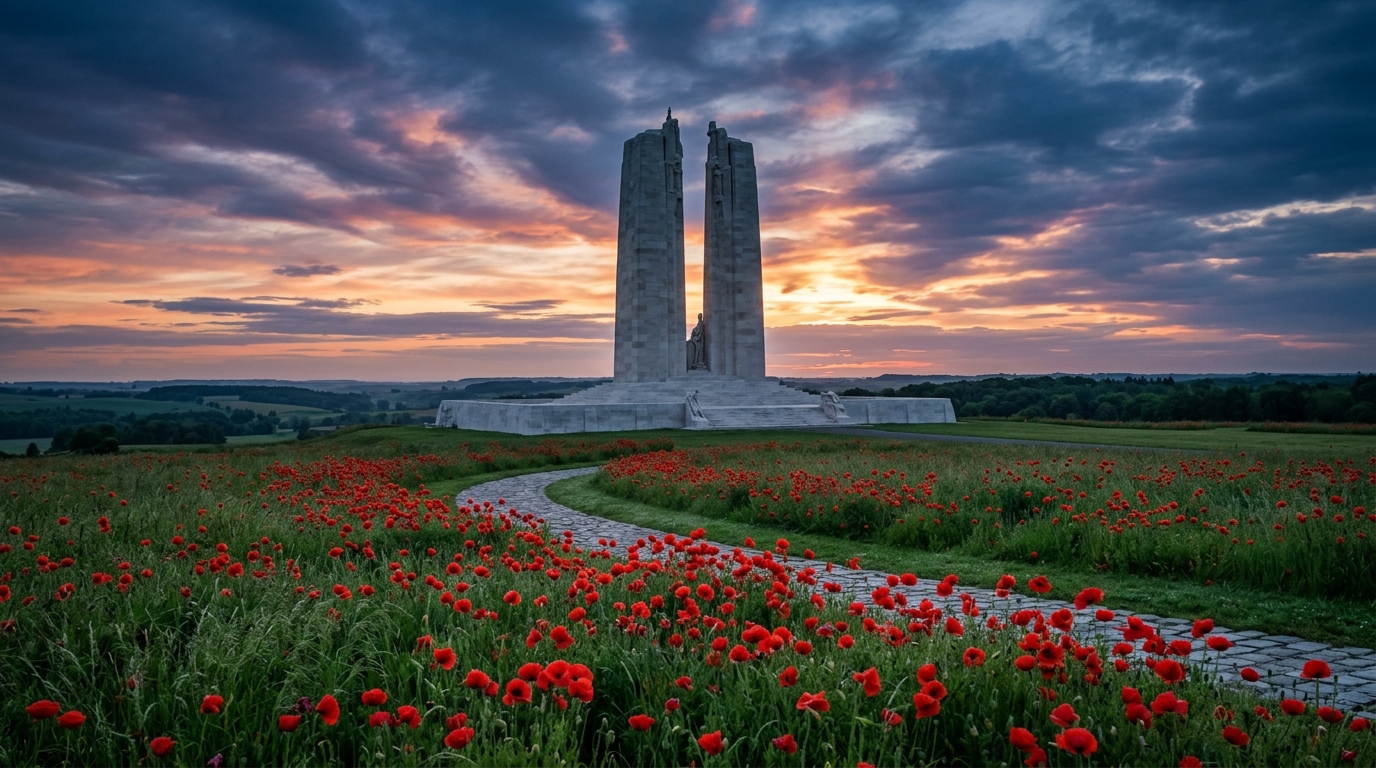
Imperial rivalries and tangled alliances turned a 1914 assassination into global war. As a British dominion, Britain's declaration automatically committed Canada to the conflict.
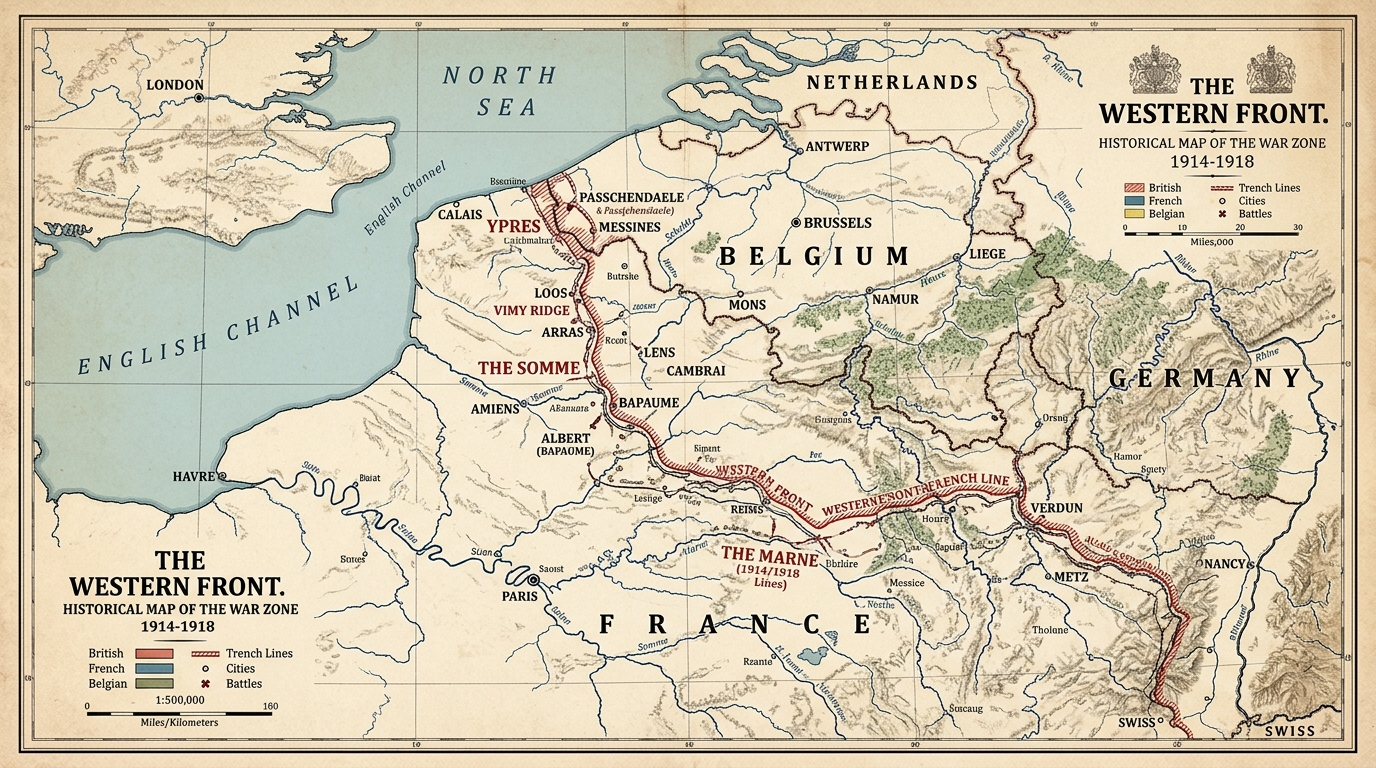
Battlefield Realities & Local Cost Western Front
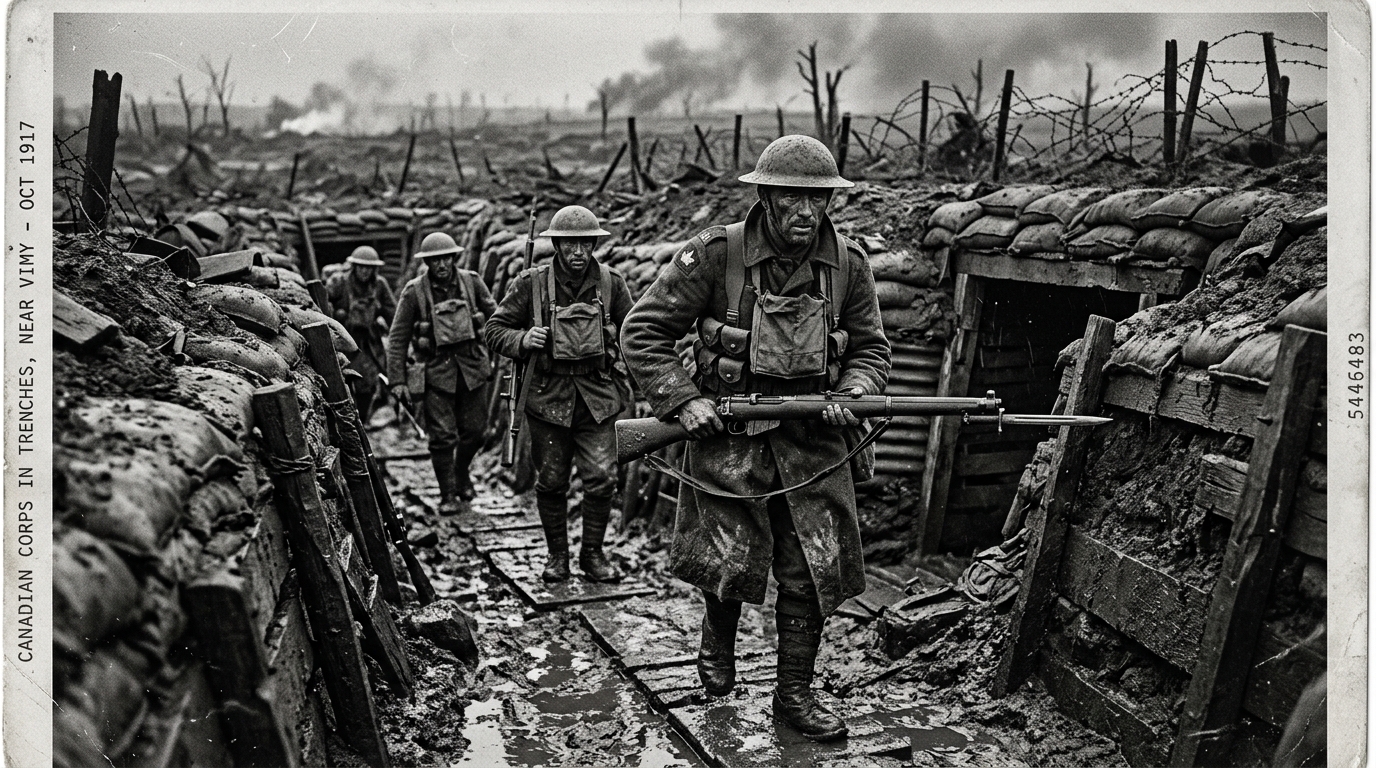
Where: 700 km of trench lines across Belgium and northern France (Ypres, Somme, Passchendaele, Vimy Ridge).
The Enemy: German and Austro-Hungarian Empires.
The Outcome: Allied breakthrough forced German surrender; Armistice signed November 11, 1918 at 11:00 AM.
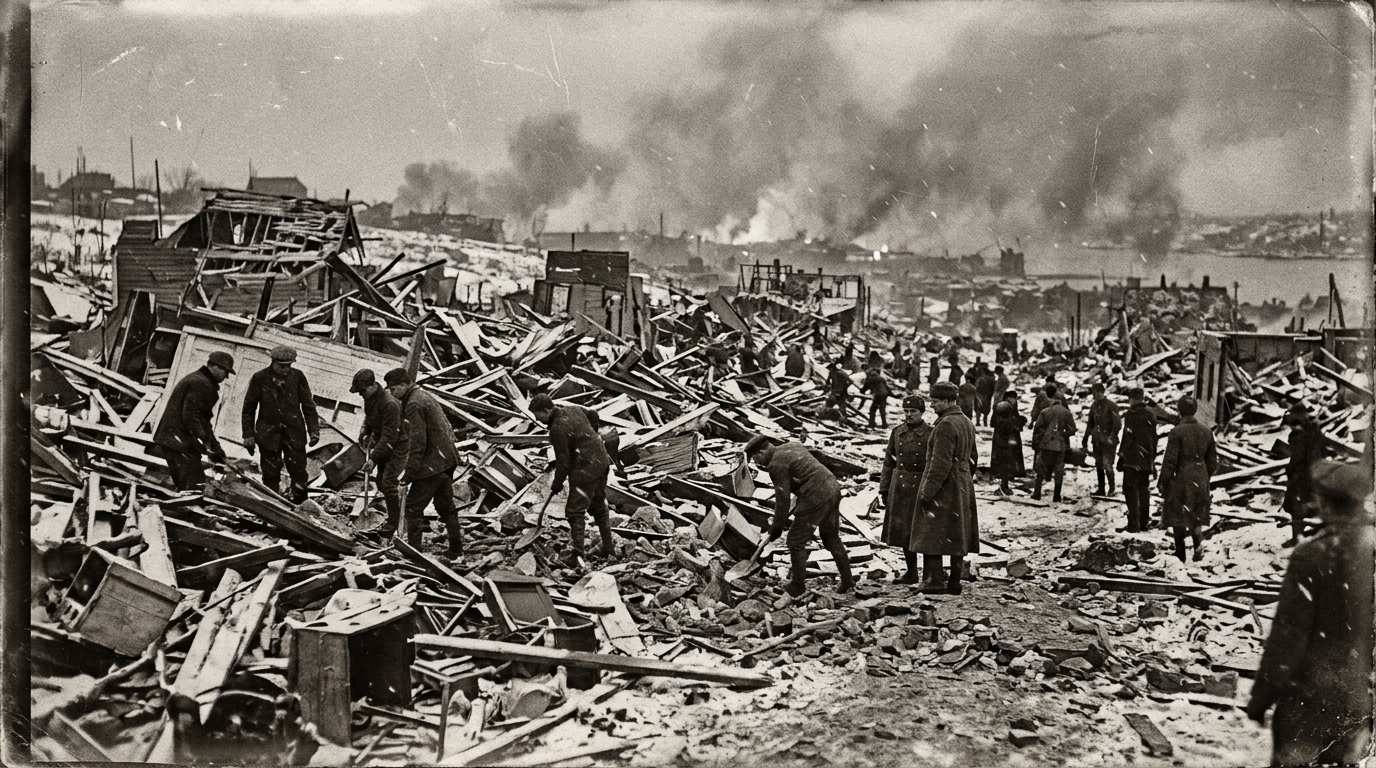
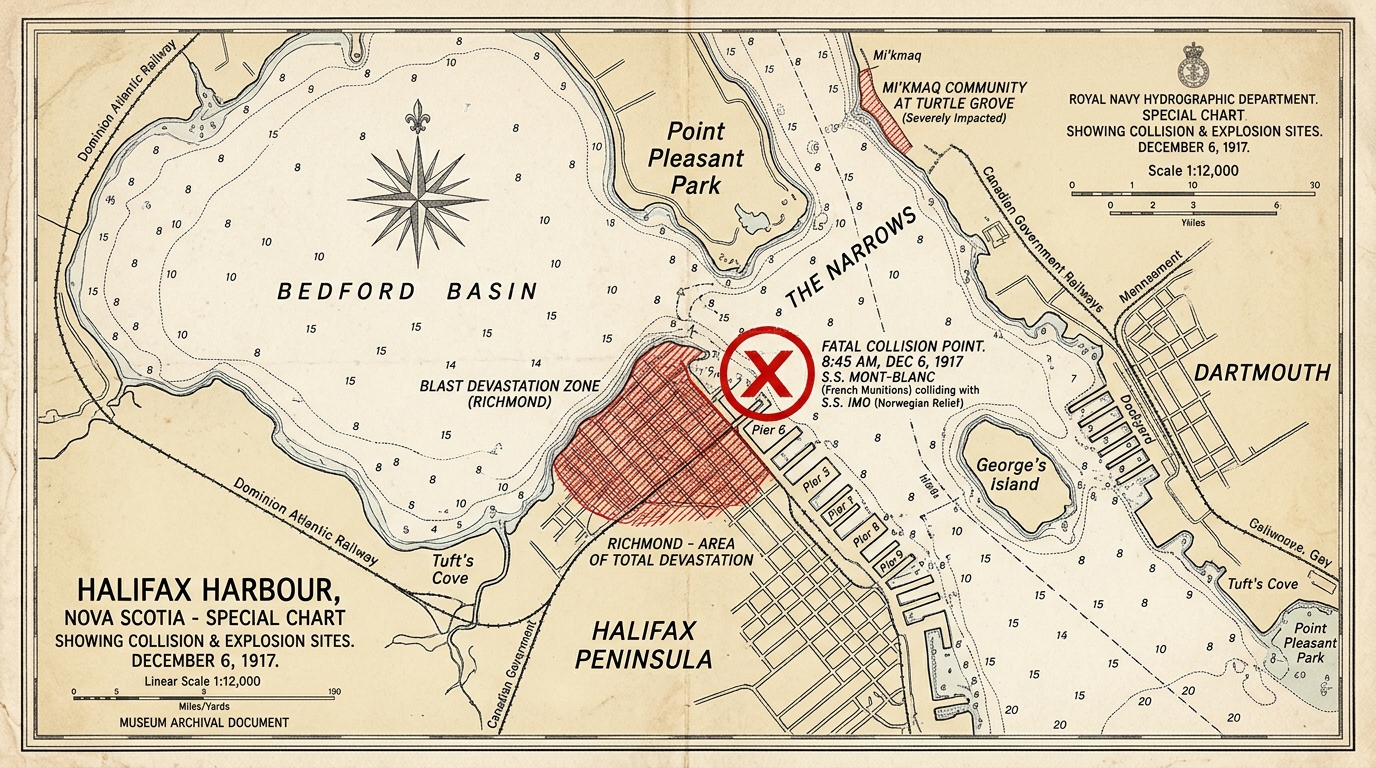
Local Effects: Halifax was the primary convoy port. On Dec 6, 1917, the munitions ship Mont-Blanc exploded in the Narrows, killing ~2,000 civilians.
A global struggle against Axis totalitarian regimes (Nazi Germany, Fascist Italy, Imperial Japan). On September 10, 1939, Canada's own Parliament voted independently to declare war.
Two-Front War & Home Front Atlantic to Pacific
Battle of the Atlantic: Halifax was the Convoy Capital, routing merchant fleets past Nazi U-boat wolfpacks to keep Britain fed and armed.
Europe & D-Day: Canadian 3rd Division stormed Juno Beach on June 6, 1944 and liberated the Netherlands.
Pacific & Hong Kong (1941): Nearly 2,000 Canadians defended Hong Kong; all were killed or captured as POWs.
Home Front Racism: Canada forcibly interned over 22,000 Japanese Canadians in BC interior camps.
Atomic Ending & United Nations: Japan surrendered in August 1945 after atomic bombs on Hiroshima and Nagasaki. The United Nations was created to prevent future world wars.
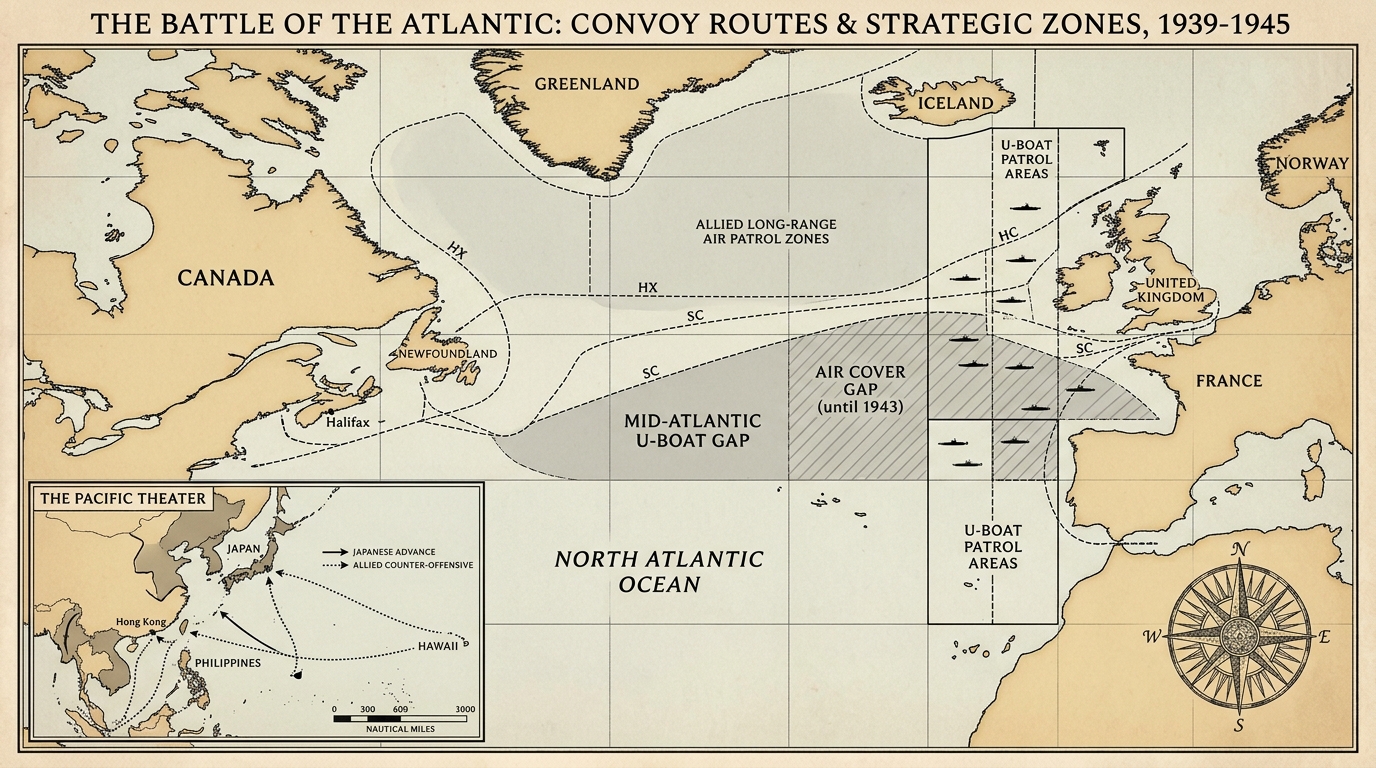
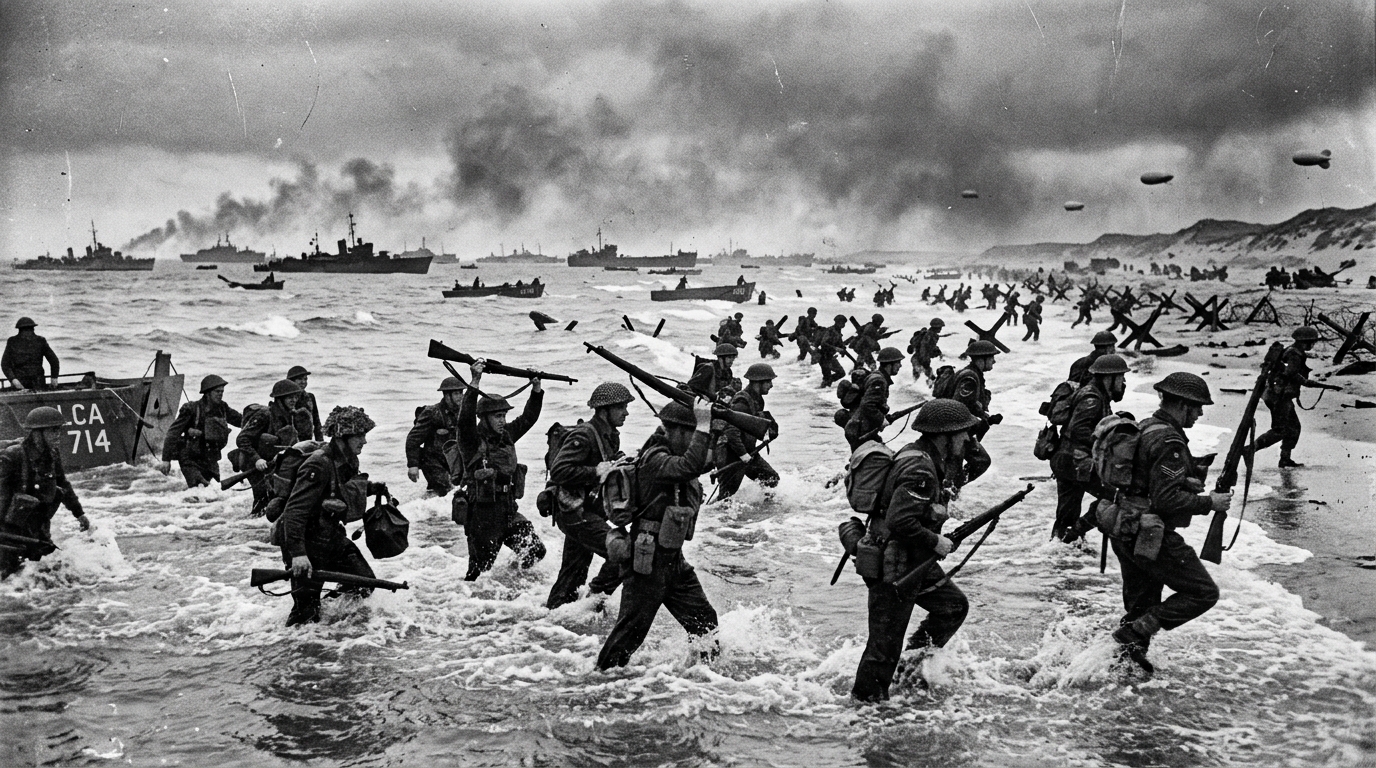
Soviet-backed North Korean forces invaded South Korea across the 38th Parallel. Canada deployed soldiers, destroyers, and transport aircraft to the 16-nation United Nations force.
Hill Battles & The Cold War Korean Peninsula
The Terrain: Brutal mountain combat in sub-zero winters against North Korean and Chinese divisions.
Battle of Kapyong (April 1951): 700 men of 2PPCLI held Hill 677 against an entire Chinese division, preventing the capture of Seoul.
Ceasefire, No Peace: Armistice signed July 27, 1953 created the Demilitarized Zone (DMZ). No peace treaty was ever signed.
The Forgotten War: Overshadowed by WWII, yet 516 Canadians gave their lives in defense of South Korea.
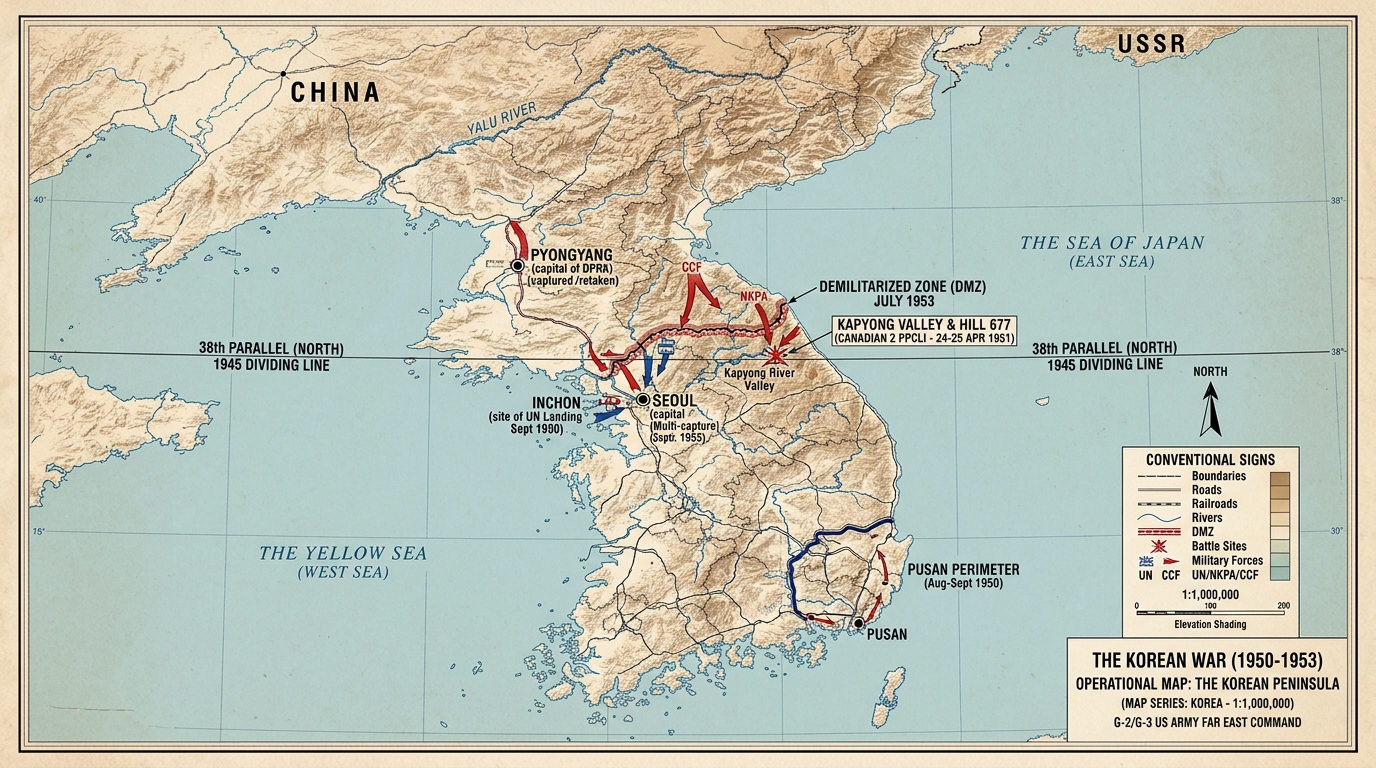
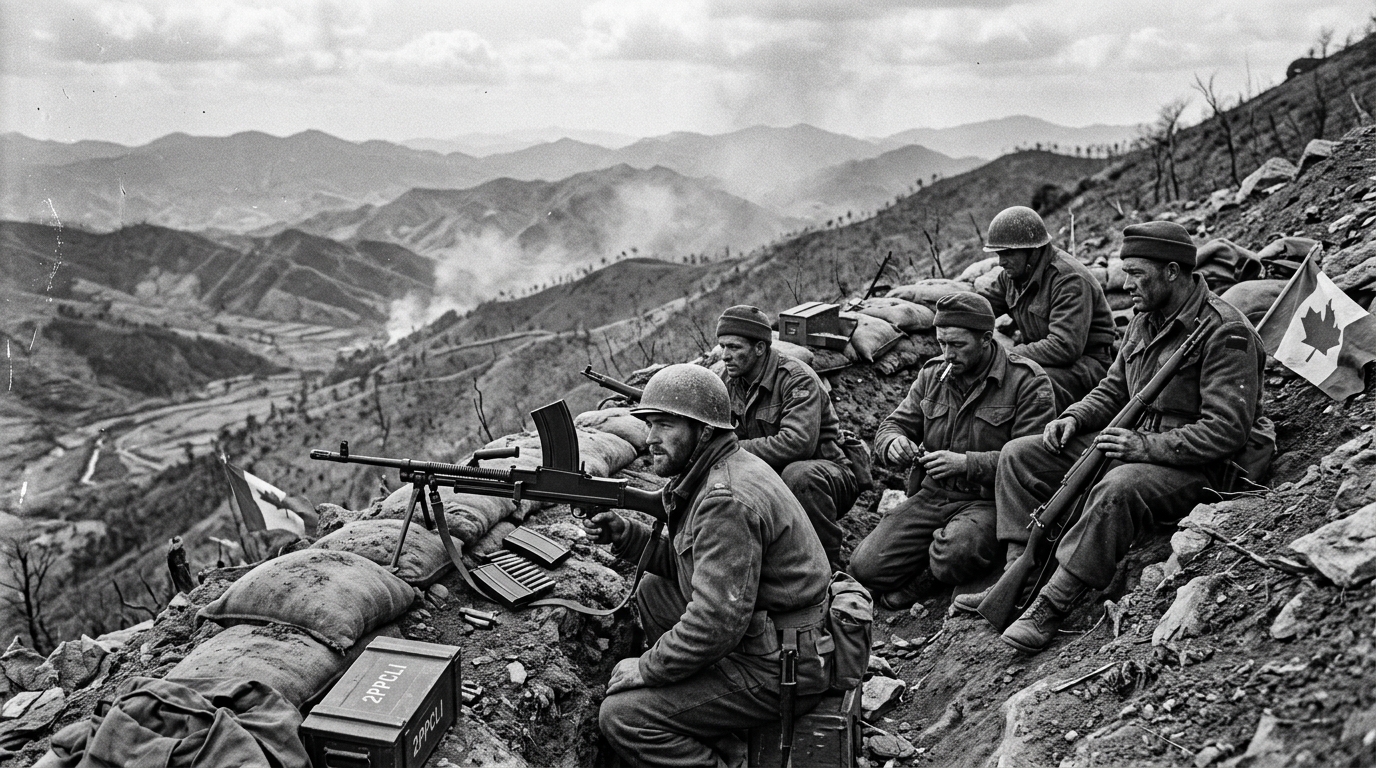
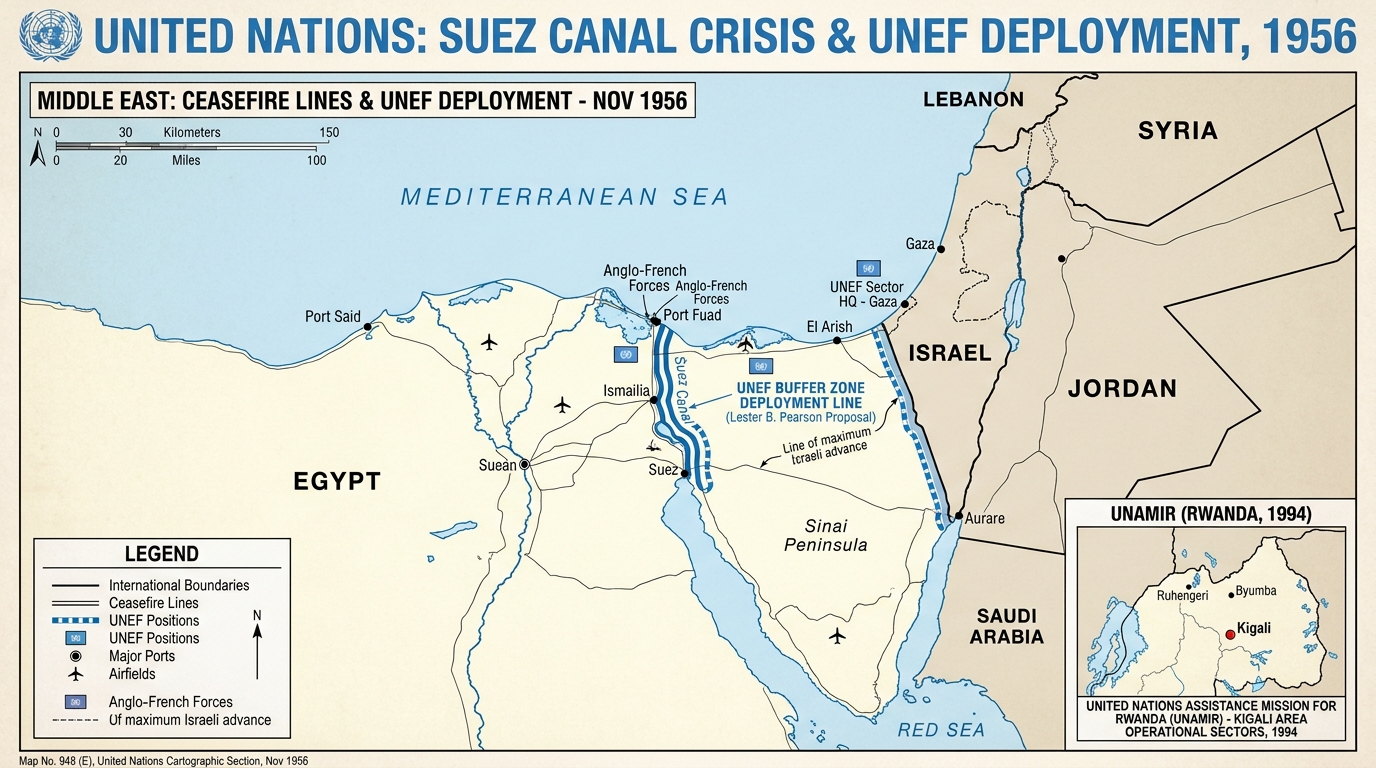
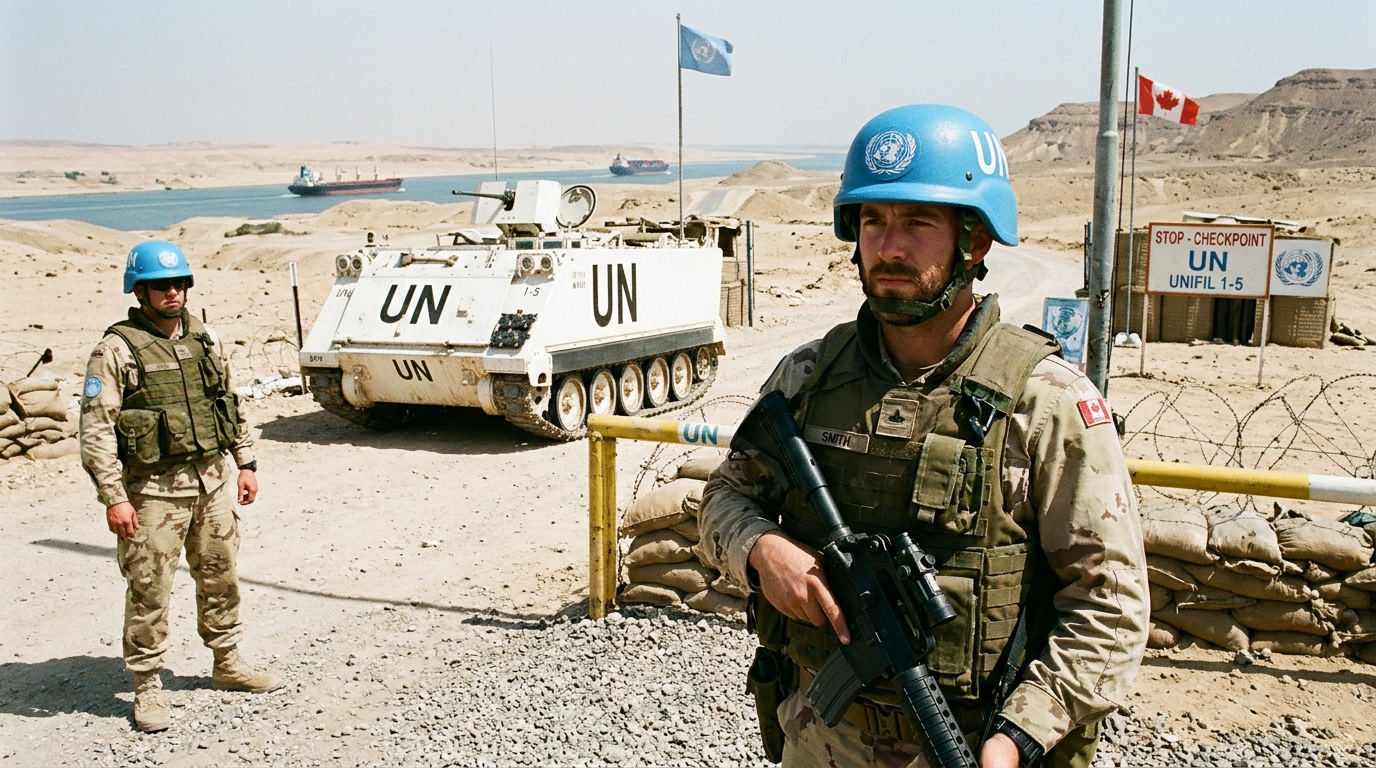
When regional wars threatened to trigger superpower nuclear war, Canadian diplomat Lester B. Pearson invented armed UN peacekeeping to separate opposing forces and enforce ceasefires.
Major UN Peacekeeping Missions Africa, Europe, Middle East
Suez Crisis (1956): Canada deployed the first UN Emergency Force to Egypt; Pearson was awarded the 1957 Nobel Peace Prize.
Cyprus (1964 to Present): Continuous patrols along the Green Line buffer zone between Greek and Turkish communities.
Balkans & Medak Pocket (1993): Canadian peacekeepers engaged in a 15-hour battle in Croatia to defend civilian safe zones.
Rwanda Genocide (1994): General Romeo Dallaire pleaded for help; the UN withdrew; over 800,000 Tutsis were murdered in 100 days.
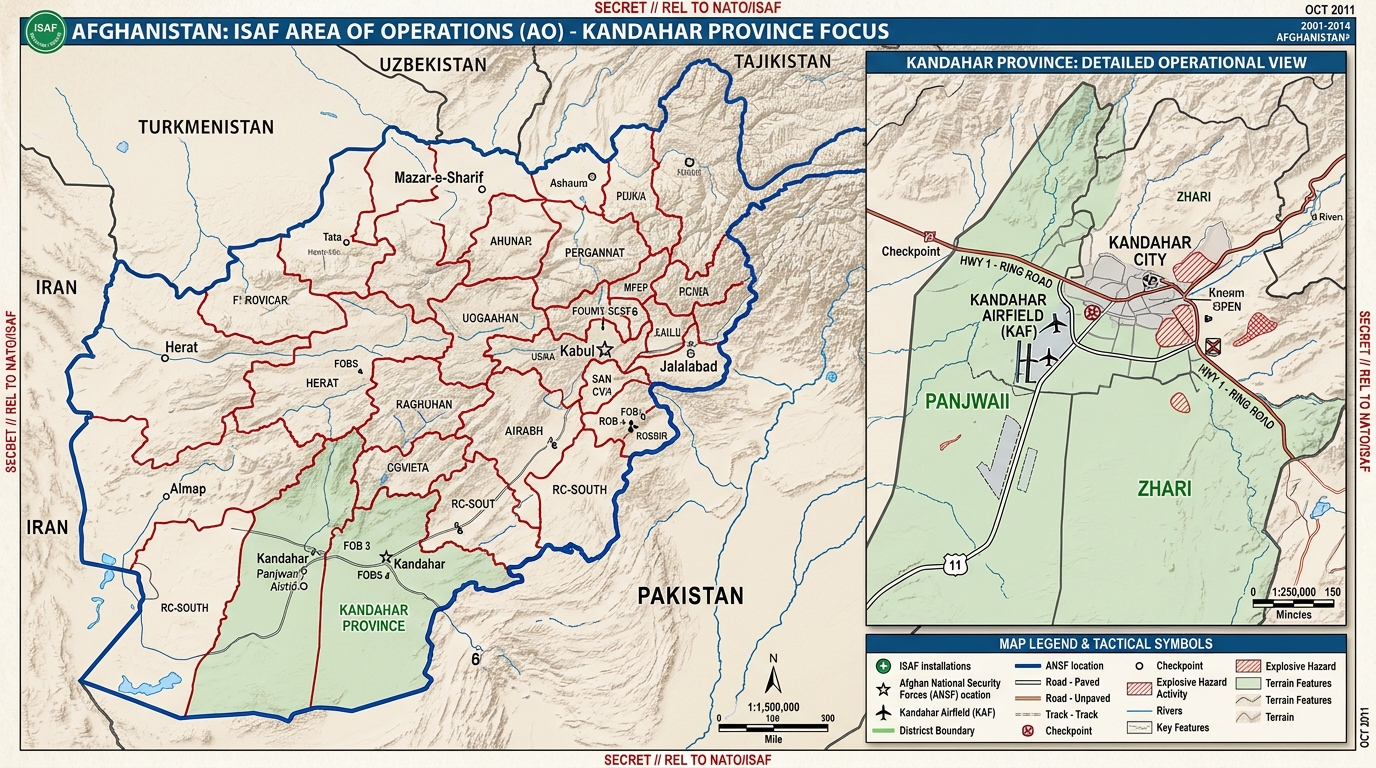
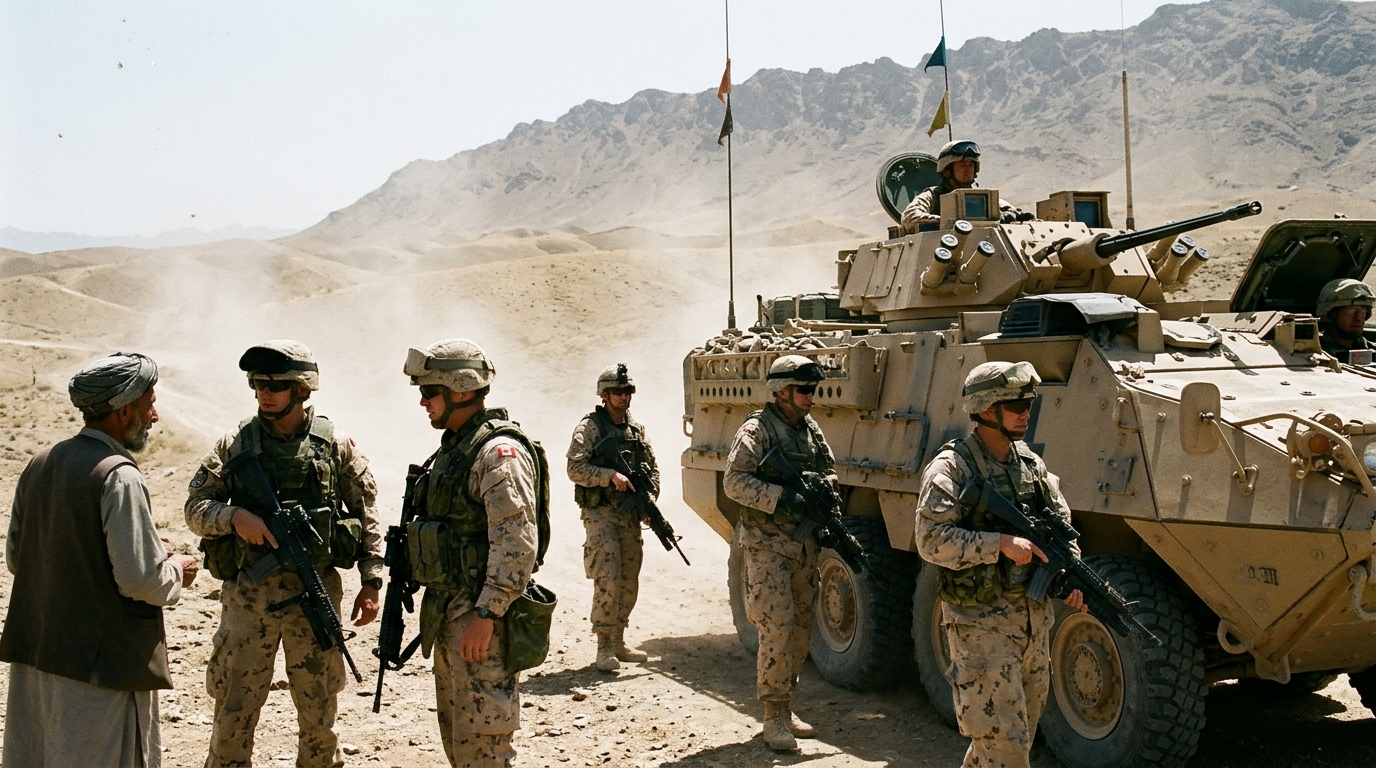
Following the 9/11 Al-Qaeda attacks, NATO invoked Article 5 collective defense. Canada joined the coalition to dismantle terror training bases and remove the Taliban regime.
Counter-Insurgency & Human Toll Kandahar Province
Where: Kandahar Province, Panjwaii district, and remote desert forward operating bases along Highway 1.
Asymmetric War: Intense combat against Taliban insurgents, suicide attacks, and improvised explosive devices (IEDs).
Local Nova Scotia Hero: Private Nathan Smith (Tatamagouche, NS) was killed in April 2002; his mother Charlotte Smith served as Silver Cross Mother.
Lasting Human Impact: Over 40,000 served; 2,000+ wounded; widespread operational stress injuries (PTSD).
Nova Scotia was Canada's strategic gateway to Europe. Meanwhile, Black and Indigenous Canadians volunteered overseas despite facing systemic discrimination at home.
Home Front & Segregated Heroism Nova Scotia
Halifax Explosion (Dec 6, 1917): Munitions ship Mont-Blanc blew up in the Narrows; killed ~2,000, injured 9,000, and destroyed Richmond.
Bedford Basin Convoys: Strategic assembly anchorage where thousands of merchant supply ships gathered under naval escort.
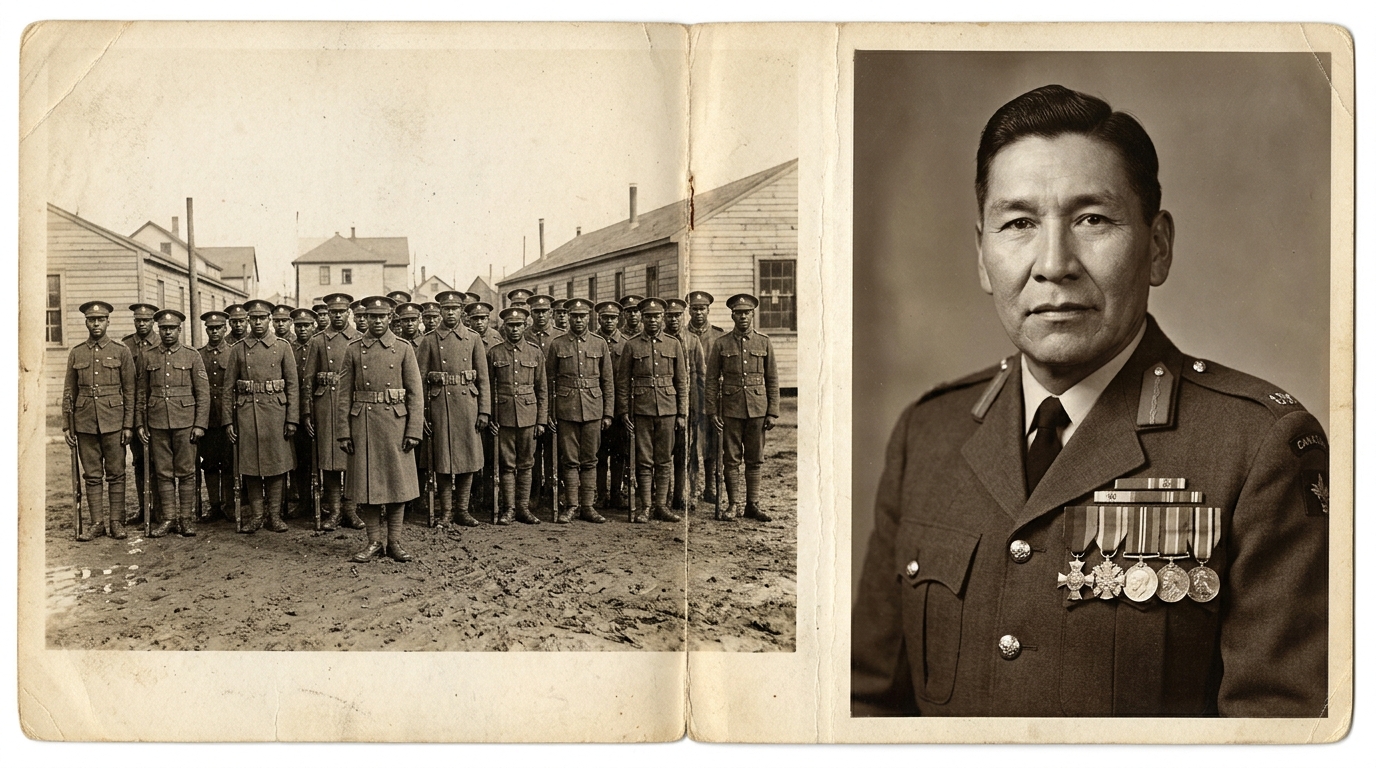
No. 2 Construction Battalion: Canada's only segregated Black battalion, formed in Pictou/Truro (1916). Harvested timber in France for frontline trenches.
Indigenous Veterans: Over 7,000 volunteered as elite scouts and snipers. Returned home to find they were denied equal veterans benefits.
Examine your printed Field Guide (text, stats, and maps) to locate the evidence for each scenario.
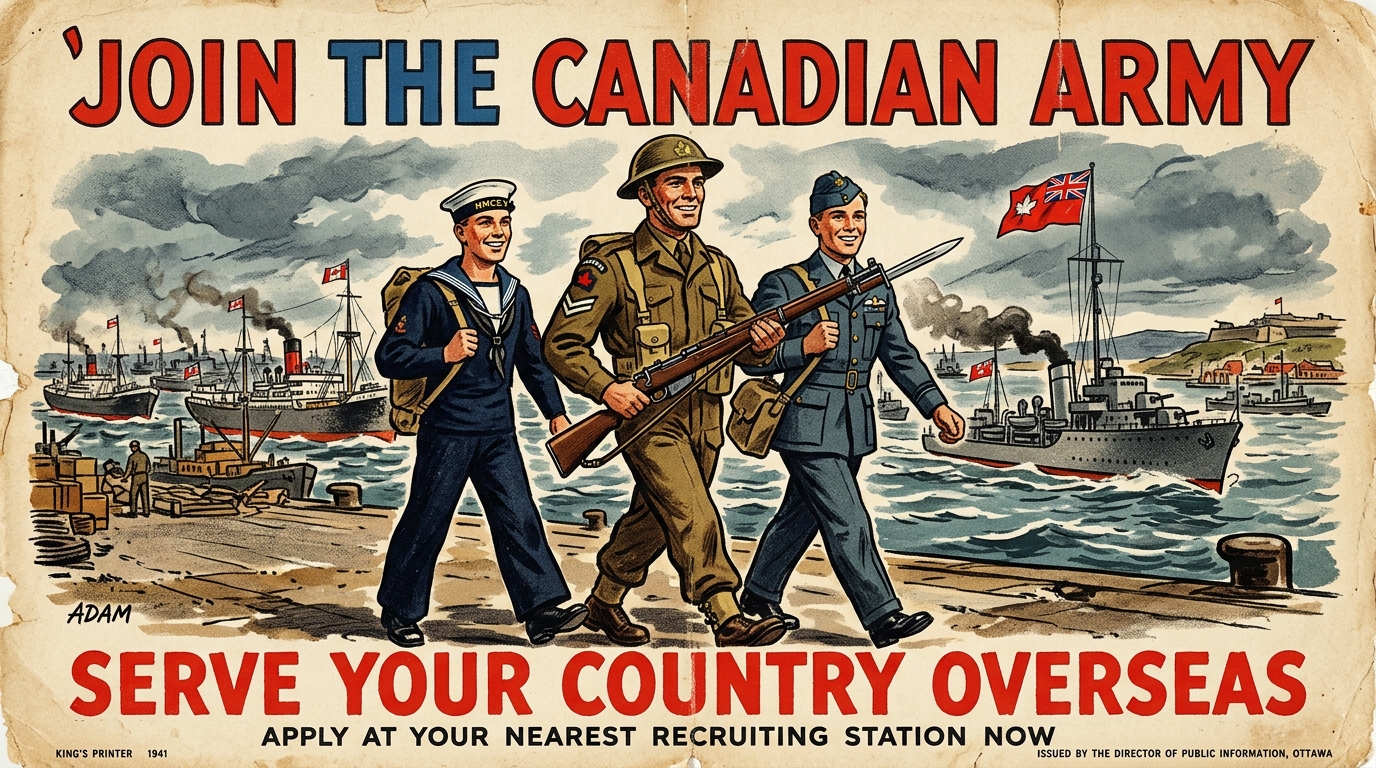
Scenario A: Archie from Truro (1941)
Atlantic Convoy
Scenario B: Captain Tremblay (1956)
PeacekeepingFlip between Page 1 and Page 2 of your Field Guide to track down regional locations, causes, and local impacts.
Scenario C: Corporal MacLeod (1951)
Korea: Hill 677