CASE CRUCIBLE • CITIZENSHIP 9 • UNIT 2
JUSTICE DENIED
The Donald Marshall Jr. Story • 5-Beat Multimedia Judicial Tribunal
ACT I • 1971
The Sydney Frame-Up
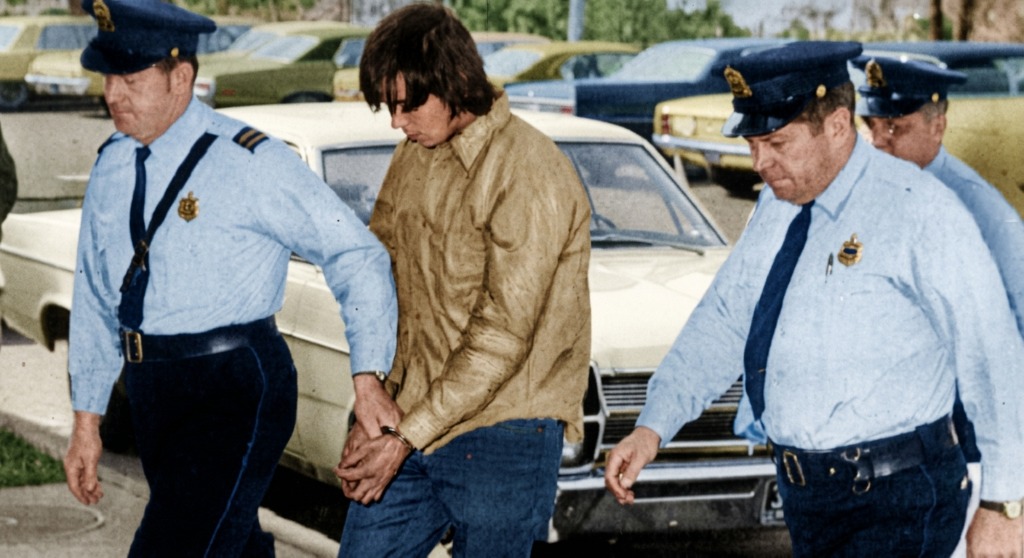
- A midnight murder in Wentworth Park.
- A 17-year-old boy walks into Sydney Police to report the killer and get medical help.
- Hours later, he is put in handcuffs and charged with murder.
How does a reporting witness end up facing life in prison?
ACT II • 1993–2026
The Treaty Battles
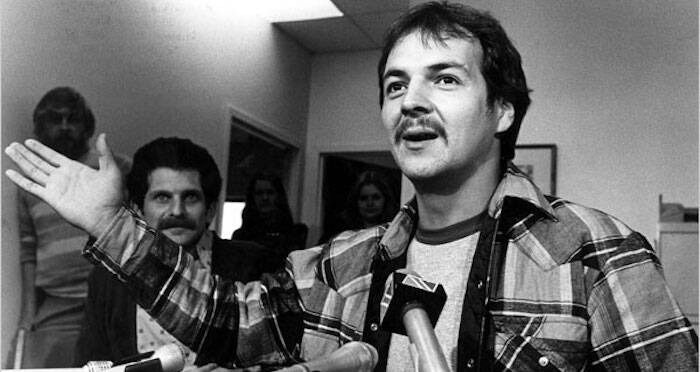
- 463 lbs of eels seized by armed federal officers.
- Marshall defends himself with a 233-year-old piece of parchment signed in 1760.
- Triggers modern lobster conflicts in 2020 and sovereign cannabis raids today.
Can an 18th-century treaty beat modern federal and provincial laws?
CLASSROOM STARTUP
Take your seat • Keep your Judicial Brief face-down • Press [Next → / Clicker] to open Beat 1
BEAT 1 • WENTWORTH PARK • MAY 1971
The Murder & The Wrongful Conviction
▶ CASE FILE 1 • VIDEO INQUEST (1:22)
The Anatomy of a Frame-Up
- The Crime: Sandy Seale fatally stabbed in Wentworth Park by Roy Ebsary; Donald slashed trying to defend him.
- Police Tunnel Vision: Donald walked in to report the murder; detectives immediately targeted the 17-year-old Mi'kmaw witness instead.
- Fabricated Testimony: Police intimidated teen bystanders into signing false statements claiming they saw Donald do it.
- The Stolen Youth: All-white jury convicts Donald in minutes; spends 11 years (ages 17–28) in maximum security.
The real killer walked free on the streets of Nova Scotia for over a decade.
CASE 1 • YOUR BRIEF
Turn to your partner (3 min): What caused police to lock onto Marshall instead of investigating Roy Ebsary? Ink Case 1!
BEAT 2 • THE ROYAL COMMISSION • 1989
The Marshall Inquiry: Systemic Racism Exposed
▶ CASE FILE 2 • VIDEO INQUEST (1:29)
"The Justice System Failed Him at Every Step"
- 1982 Release: Key witness recanted; Ebsary's daughter reported her father's confession. Marshall freed after 11 years.
- The Cover-Up: Appeal court blamed Donald, calling him "the author of his own misfortune." Outrage forced a Royal Commission.
- The 1989 Inquiry Verdict: Concluded police, Crown prosecutors, judges, and government failed Marshall due to systemic racism.
- Lasting Legal Reform: Created Nova Scotia's Public Prosecution Service and laid the direct foundation for Gladue Rights (1999).
Gladue Principle: Judges are legally mandated to consider colonial trauma and restorative alternatives before jailing Indigenous people.
CASE 2 • YOUR BRIEF
Partner Inquest (3 min): What systemic failure did the Royal Commission uncover, and what legal reform came out of it? Ink Case 2!
BEAT 3 • POMQUET HARBOUR • AUGUST 1993
The Eels: Federal Fisheries Act vs. 1760 Treaty
▶ CASE FILE 3 • VIDEO INQUEST (1:15)
Statute Law vs. Constitutional Treaty
- The Ambush: Donald harvested 463 lbs of eels ($787.10) for groceries. Armed DFO officers seized boat, nets, and catch.
- Federal Charges: Fishing out of season, without licence, with illegal net under the *Fisheries Act*.
- Crown Argument: "Fisheries Act applies universally. No citizen has special harvesting rights."
- The 1760 Treaty: Guarantees harvesting "as usual" and a "Truckhouse" to trade for "necessaries". Section 35 makes treaties supreme law!
Does a modern federal regulation erase an 18th-century constitutional promise?
ROOM VOTE • CASE 3
ROOM SPLIT VOTE: Did Donald Marshall Jr. break the law? Cast your vote: [ ] YES (Fisheries Act) vs. [ ] NO (1760 Treaty), and ink your best reason!
BEAT 4 • SUPREME COURT OF CANADA • SEPT 17, 1999
The 1999 Legal Decision: R. v. Marshall
▶ CASE FILE 4 • VIDEO INQUEST (1:08)
The Acquittal & The Blank Rule
- Constitutional Victory: Donald Marshall Jr. ACQUITTED. Treaties are supreme law under Section 35.
- Moderate Livelihood: Inherent right to trade resources for basic necessities (food, clothing, housing).
- Unceded Territory: Confirms the Mi'kmaq never lost a war or surrendered land to the Crown.
- The Fatal Flaw: The Supreme Court left the numbers blank—no dollar cap, no trap quota, no defined seasons.
Because Ottawa stalled and never negotiated rules, a massive legal vacuum was born.
CASE 4 • YOUR BRIEF
Check [X] NO (Unceded Land) on Case 4, and ink why leaving "moderate livelihood" undefined created a legal time-bomb!
BEAT 5 • MODERN CONSEQUENCES • 2020–2026
How a Blank Rule Sparked Today's Conflicts
▶ CASE FILE 5 • VIDEO INQUEST (1:25)
From St. Mary's Bay to Sovereign Cannabis
- The 1999 Blank: Supreme Court confirmed a "moderate livelihood," but left dollar limits, trap counts, and seasons blank.
- 2020 St. Mary's Bay: Sipekne'katik launched its own treaty lobster fishery; commercial fleets blockaded wharves and burned a lobster pound in Pubnico.
- 2025–26 Sovereign Cannabis: Mi'kmaw trading posts operate on unceded land under the 1760 Truckhouse clause; RCMP tactical raids seize cash and product.
Both modern disputes trace directly back to the 20-year legal vacuum from the Marshall decision.
CASE 5 • YOUR BRIEF
Choose ONE modern dispute: (A) Lobster Riots OR (B) Sovereign Cannabis. How does it connect back to Donald Marshall Jr.? Ink Case 5!
BEAT 5 • MODERN CONSEQUENCE #2 • 2025–2026
The Sovereign Cannabis Raids in Nova Scotia
▶ PLAY NOTEBOOKLM VIDEO 5 (PART B)
Trading Posts on Unceded Territory
- Dozens of storefront dispensaries operate along Nova Scotia corridors (Millbrook, Sipekne'katik).
- They do not carry NSLC permits and fly the Mi'kmaw Grand Council flag.
- The Sovereign Argument: Under the 1760 Treaty Truckhouse clause, the Mi'kmaq have an inherent right to trade commodities on unceded land. Cannabis is just the modern eel!
"If Donald Marshall had the right to sell eels, we have the right to trade modern commodities."
The RCMP Tactical Crackdown
- Crown & Province Argument: The federal Cannabis Act is a criminal public health law that applies to everyone equally.
- Armed RCMP officers execute tactical raids, seize cash and product, and lay criminal charges.
- Shops frequently reopen within 48 hours, setting up the next Supreme Court battle.
The exact same clash: Does modern statute law override an 18th-century treaty covenant?
MODERN CONSEQUENCES • CASE 5
If choosing (B) Cannabis: How does trading cannabis on unceded land trace back to the 1760 Truckhouse clause? Complete Case 5!
DEBRIEF • ROOM 8 • BICENTENNIAL JUNIOR HIGH
“We Are All Treaty People”
What Citizens in Nova Scotia Receive
- The Mi'kmaq never lost a war of conquest and never surrendered land.
- The Peace Treaties are the legal reason non-Indigenous citizens can live, work, and own property peacefully in Nova Scotia today.
- Treaties are not special privileges for Indigenous people; they are the legal peace pact for all of us.
Without the 1760 Treaty, non-Indigenous presence has no legal peace agreement.
What Treaty Partners Owe
- Holding Government Accountable: Demanding that Ottawa honor Crown treaty covenants rather than stalling for decades.
- Respecting Inherent Rights: Recognizing that treaty harvesting is constitutionally protected supreme law.
- Active Reconciliation: Learning true history and building honest relationships on unceded land.
Reconciliation is an active civic duty, not an optional gesture.
FINAL TRIBUNAL CHECK
Make sure all 5 Cases are completed • Hand your Judicial Brief in at the door as you exit!